Debunking common casino myths What you need to know
Understanding Randomness in Casino Games
One of the most prevalent myths in the casino world is the belief that games are rigged against players. Many people think that casinos manipulate the odds or use technology to ensure that players lose. In reality, casino games like slots, blackjack, and roulette are designed to be random, ensuring that each play is independent of the last. This randomness is enforced by Random Number Generators (RNGs), particularly in online casinos, which guarantee fair play and unpredictability. As you explore the options available, you’ll discover the best sports betting sites uk that offer great opportunities for bettors.

Moreover, many casino games have established payout percentages, which are audited regularly to ensure fairness. For example, slot machines may have a payout rate of around 90 to 95 percent, meaning that over a significant number of spins, the machine will return this percentage to players. Understanding that games are random helps demystify the gambling experience and allows players to approach it with a more informed mindset.
Players should also be aware that while casinos do have a house edge, this is merely the statistical advantage they hold over the players. It doesn’t imply that the games are inherently unfair. Instead, the house edge ensures the sustainability of the casino business while providing players the opportunity to win. Knowledge of this fact helps players make educated decisions regarding their gaming strategies.
Believing in Lucky Numbers and Superstitions
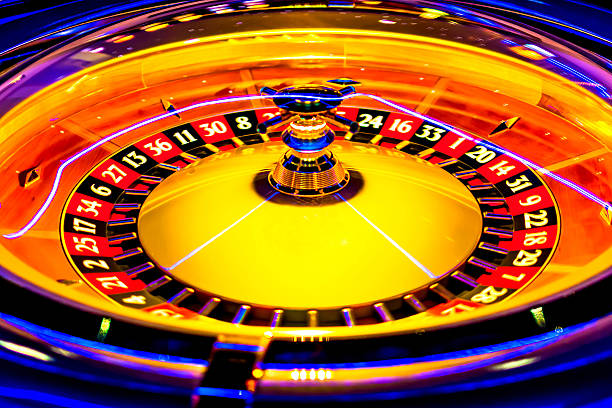
Another common myth is the reliance on lucky numbers or superstitions when gambling. Many players swear by certain numbers or rituals, believing these will influence their luck. However, the reality is that luck in casinos is purely coincidental. Games are based on chance, and no particular strategy or number can increase the likelihood of winning. Relying on superstition can lead to misconceptions about a player’s ability to influence outcomes.
In fact, superstitions can often detract from sound gambling strategies. Players may invest time and money based on a belief that a certain number will hit, leading them to ignore the fundamental principles of odds and probability. Understanding that luck does not have a tangible effect on the outcome of games can help players approach gambling more rationally and responsibly.
Additionally, casinos thrive on the allure of superstition and luck. They often design environments that promote these feelings, such as using certain colors, symbols, or themes that resonate with players’ beliefs. However, recognizing the truth behind these concepts can lead to a more enjoyable and less stressful gaming experience.
The Illusion of ‘Hot’ and ‘Cold’ Machines
Many players believe in the concept of ‘hot’ and ‘cold’ machines, thinking that a machine that has not paid out recently is more likely to do so soon. This myth stems from the misunderstanding of how slot machines work. Each spin of a slot is independent, governed by the RNG, meaning previous spins have no bearing on future outcomes. As a result, the notion that a machine can be ‘due’ for a payout is entirely unfounded.
Casinos may see a trend of players gravitating toward machines that have recently paid out, leading to the perception of these machines being more favorable. However, statistics show that every spin remains random, regardless of past performance. As such, players should not fall into the trap of focusing on whether a machine is “due” for a win or avoid one simply because it hasn’t paid out in a while.
Instead, seasoned players recommend understanding the mechanics behind slot machines, including the return-to-player (RTP) rate, which can inform better choices. This knowledge empowers players to make informed decisions rather than relying on myths that could skew their gambling experience and lead to disappointment.
Chasing Losses: A Common Pitfall
A widespread belief among gamblers is that losing a bet means one should continue to gamble in hopes of winning back the lost money, a practice known as “chasing losses.” This mindset can lead to devastating financial repercussions, as players often find themselves spiraling deeper into a cycle of loss. Recognizing this myth is crucial for promoting responsible gambling habits.
Chasing losses stems from emotional decision-making rather than rational thought. When players experience a string of losses, their desire to regain their initial investment can cloud their judgment, leading to impulsive bets. Instead of seeing gambling as a source of entertainment, players may begin to view it as a means of recovering lost funds, which is often a losing proposition.
Responsible gambling advocates recommend setting limits and recognizing when to walk away. By understanding that losses are a part of the gambling experience, players can create a healthier approach to gaming. Adopting a mindset focused on enjoyment rather than profit can help mitigate the urge to chase losses and encourage a more positive gambling experience.
Your Ultimate Resource for Informed Gambling
Our website serves as a comprehensive resource for individuals looking to explore the world of gambling responsibly. We aim to debunk common myths and provide well-researched information that empowers players to make informed choices. From understanding odds to recognizing the importance of bankroll management, our resources cover a wide array of topics to enhance your gambling experience.
We also provide expert reviews of various casinos and betting platforms, helping players identify trustworthy and reputable sites. By equipping users with knowledge about best practices and the realities of gambling, we promote a safer environment for gaming. Our commitment to responsible gambling is at the forefront of our mission.
As you embark on your gambling journey, remember that knowledge is power. Utilize our insights and tools to navigate the often-misunderstood world of casinos and sports betting. Together, we can work towards a more enjoyable and informed gambling experience that prioritizes fun and responsibility.